

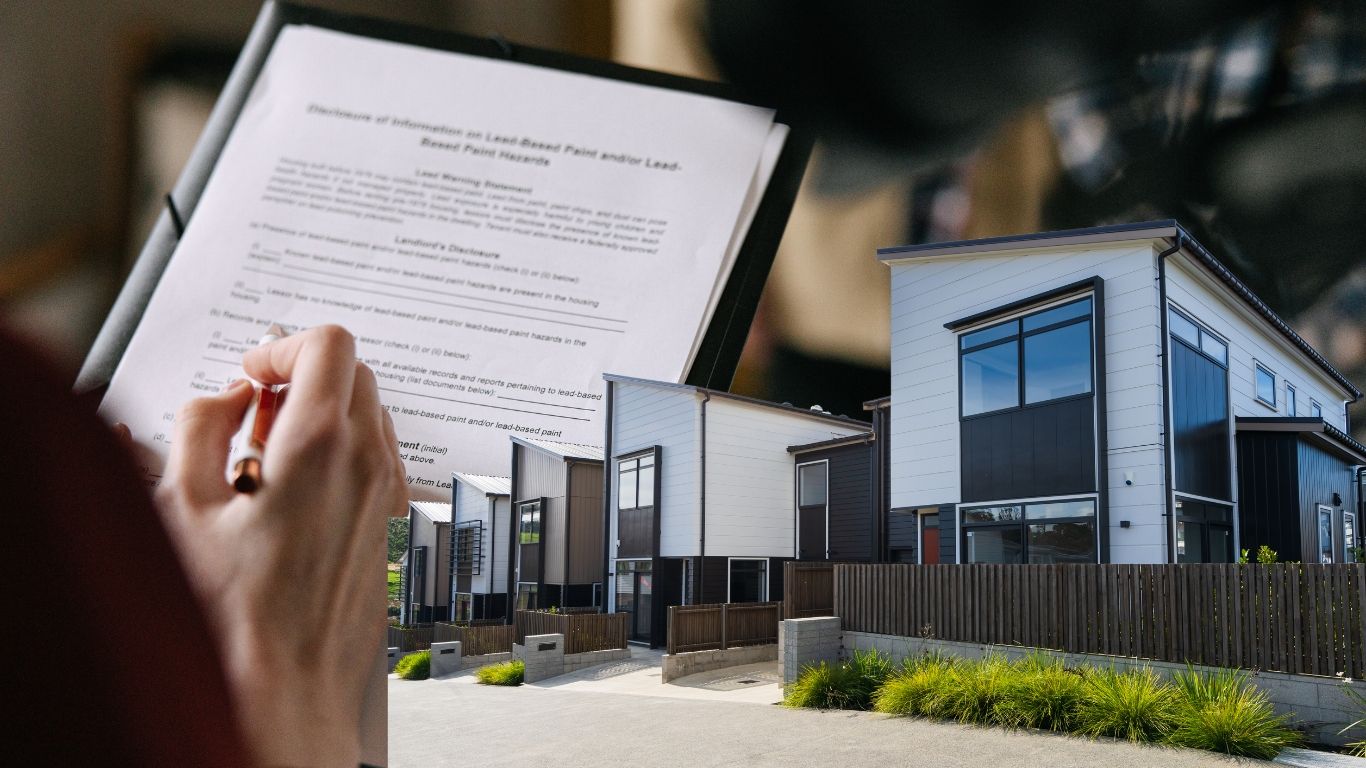
Buying commercial real estate in New York City requires more than evaluating the property’s location and purchase price. Buyers must investigate ownership records, zoning restrictions, building violations, financial obligations, environmental conditions, and existing leases before completing a transaction. A thorough commercial real estate due diligence process helps identify potential liabilities, prevent unexpected expenses, and determine whether a property meets the buyer’s investment objectives.
For buyers in Brooklyn, Manhattan, Queens, and across NYC, understanding these legal and financial considerations is essential before signing a purchase agreement.
1. Verify Property Ownership and Title Records
One of the first steps in commercial real estate due diligence is confirming that the seller has legal authority to transfer ownership. Buyers should review the property’s title history, recorded deeds, existing mortgages, easements, and other recorded interests that could affect the transaction.
New York City’s Automated City Register Information System (ACRIS) provides access to recorded property documents for Manhattan, Brooklyn, Queens, and the Bronx. However, reviewing public records is not a substitute for a professional title search and title insurance review.
2. Review Zoning, Permits, and Building Violations
NYC zoning regulations determine how commercial properties may legally be used and developed. Buyers should confirm that the property’s existing use aligns with applicable zoning requirements and investigate whether proposed renovations or changes in business operations are permitted.
The NYC Department of Buildings provides access to building records through its Building Information System (BIS) and DOB NOW Public Portal. Buyers should review permits, complaints, violations, inspection records, and outstanding construction applications before proceeding.
3. Confirm the Certificate of Occupancy and Physical Condition
A Certificate of Occupancy (CO) identifies the legal use and permitted occupancy of a building. Buyers should compare the certificate with the property’s actual use to identify potential compliance issues, particularly when purchasing buildings intended for commercial operations or redevelopment.
A physical inspection should also examine structural conditions, electrical systems, plumbing, heating, elevators, fire safety equipment, and other essential building components. Where appropriate, buyers should obtain specialist inspections and environmental assessments to identify contamination, asbestos, or other potential hazards.
4. Examine Existing Leases and Financial Obligations
For income-generating commercial properties, reviewing existing leases is essential to understanding the investment’s financial performance. Buyers should examine rental income, lease expiration dates, renewal options, security deposits, tenant obligations, and any outstanding disputes involving occupants.
Financial due diligence should also include reviewing property tax bills, utility expenses, insurance costs, maintenance agreements, and historical operating statements. Buyers should identify outstanding property charges, tax liabilities, and contractual obligations that could affect the property’s profitability after closing.
5. Review Legal Risks and Prepare for Closing
Before completing a commercial real estate purchase, buyers should review the purchase agreement, seller representations, financing arrangements, and any outstanding legal matters affecting the property. This includes identifying pending litigation, contractor disputes, mechanic’s liens, easements, and restrictions that could interfere with ownership or future development.
Buyers should also confirm that the seller has the necessary corporate authority to complete the transaction. Working with experienced legal counsel can help identify contractual risks, negotiate appropriate protections, and address unresolved issues before closing.
Conclusion: Protect Your Investment Before Closing
Commercial real estate due diligence helps NYC property buyers identify legal, financial, and operational risks before committing to a purchase. Reviewing title records, zoning, building compliance, leases, and financial obligations can prevent costly surprises. Buyers should work with qualified professionals to ensure the transaction is properly reviewed before closing.
Contact The Wagner Firm to schedule a consultation about commercial real estate transactions and legal due diligence.
Frequently Asked Questions
It typically includes title searches, zoning reviews, building inspections, environmental assessments, lease examinations, financial reviews, and verification of outstanding violations or liabilities.
The timeline depends on the property’s size, complexity, documentation, and negotiated contract terms. Buyers should establish an appropriate due diligence period before signing the purchase agreement.
Potentially. The buyer’s rights depend on the purchase agreement, applicable contingencies, and the nature of the discovered issues. Legal advice can help determine the available options.
A Certificate of Occupancy identifies the building’s legally permitted use and occupancy. Buyers should verify that the intended business operations are consistent with applicable approvals.
Yes. A commercial real estate attorney can review contracts, investigate title issues, identify legal risks, negotiate transaction terms, and help protect the buyer’s interests throughout the purchase.
Related Reading
- Can a Power of Attorney Be Overridden in New York?
- Queens Estate Administration: Handling Property and Inheritance Issues
This article provides general information and is not legal advice. Contacting The Wagner Firm does not create an attorney-client relationship.

Leave a Reply