

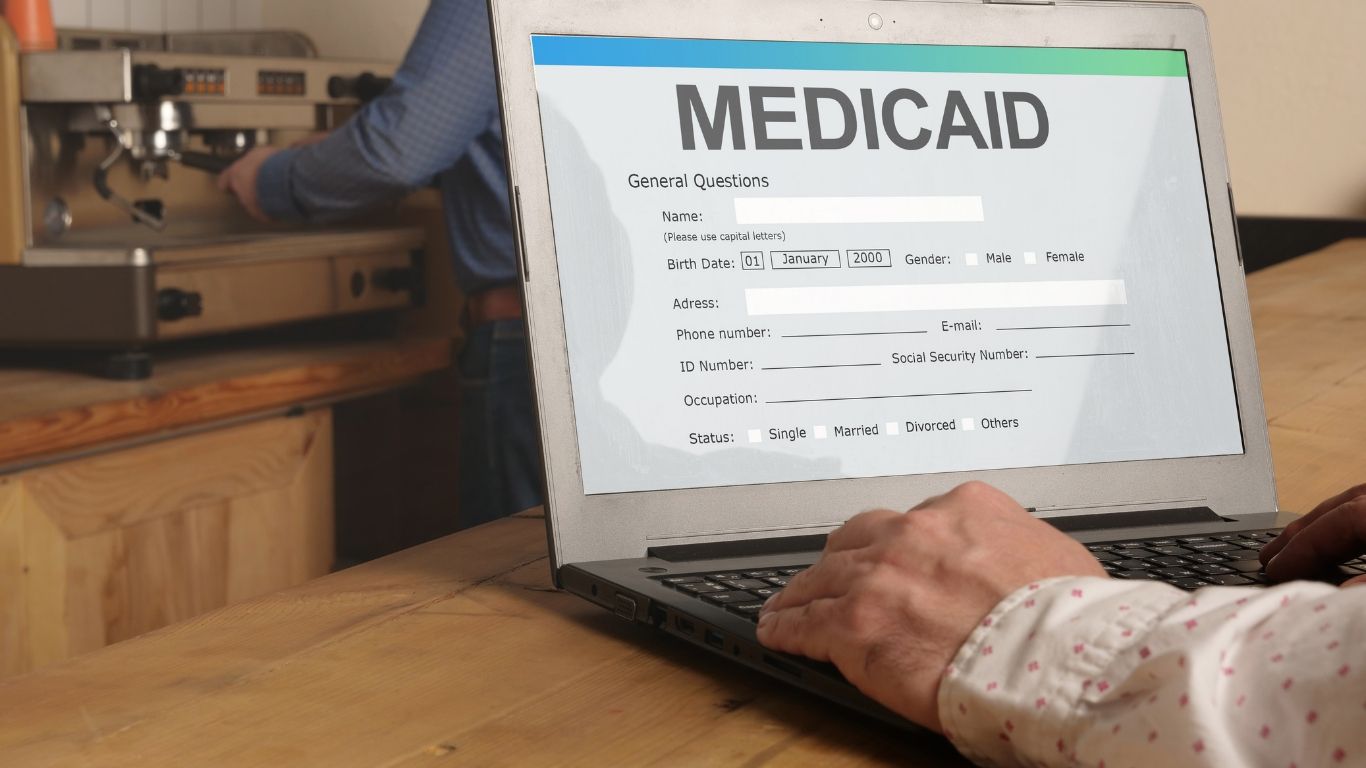
A Medicaid denial does not necessarily mean you cannot receive financial assistance for nursing home care in New York. Applicants may challenge eligibility decisions, correct missing documentation, or appeal determinations involving income, assets, and medical requirements. Understanding why an application was rejected and acting within the applicable appeal deadlines can help protect access to long-term care coverage.
For families in Brooklyn and across New York City, knowing the available legal options is particularly important when an elderly relative requires immediate nursing home assistance.
Why Does Medicaid Deny Nursing Home Coverage Applications?
New York Medicaid applications for nursing home coverage involve financial and medical eligibility requirements. An application may be denied if the applicant exceeds applicable income or resource limits, fails to provide requested financial records, or has made certain asset transfers during the look-back period.
New York generally reviews financial transactions covering the 60 months before an application for institutional nursing home coverage. Transfers of assets for less than fair market value may result in a penalty period during which Medicaid will not cover nursing facility services, subject to applicable exceptions.
Other reasons may include incomplete application documents, insufficient proof of resources, or questions about medical eligibility. Identifying the specific reason for denial is essential before deciding how to respond.
Review the Medicaid Denial Notice Carefully
The first step after receiving a denial is to review the written notice from the local Department of Social Services (LDSS) or the New York City Human Resources Administration (HRA). The notice should explain the reason for the decision, the relevant eligibility determination, and the applicant’s appeal rights.
Pay particular attention to whether the denial concerns excess income, available resources, asset transfers, missing documentation, or another eligibility requirement. Request clarification from the caseworker if the explanation is unclear, and obtain a copy of any financial calculations used to determine eligibility.
Request a Fair Hearing to Challenge the Decision
Applicants who disagree with a Medicaid eligibility denial generally have the right to request a Fair Hearing through the New York State Office of Temporary and Disability Assistance (OTDA). For Medicaid eligibility decisions, the usual deadline is 60 days from the date of the notice.
A Fair Hearing allows the applicant or authorised representative to present evidence explaining why the agency’s determination should be reconsidered. Requests can be submitted online, by telephone at 1-800-342-3334, by fax, or by mail through OTDA.
Applicants should preserve the denial notice and submit the hearing request promptly. If the matter involves urgent medical needs, they can also ask about priority scheduling and provide supporting medical documentation.
Gather Evidence to Support Your Medicaid Appeal
A successful appeal requires evidence addressing the specific reason for the denial. Applicants should organise relevant financial, medical, and administrative documents before the hearing.
Depending on the circumstances, useful records may include:
- Financial statements: Bank statements, investment records, and documentation of income and resources.
- Asset transfer records: Property deeds, transaction histories, and explanations of transfers made during the look-back period.
- Medical documentation: Physician statements, nursing assessments, and records supporting the need for nursing home care.
- Application records: Copies of submitted forms, correspondence, and documents previously requested by the agency.
Applicants may also obtain legal assistance to review the agency’s calculations, identify errors, and prepare supporting arguments. The evidence should directly address the eligibility requirements or administrative decision being challenged.
Understand Your Legal Options and Seek Professional Guidance
Not every Medicaid denial requires the same response. If the issue involves missing documents or incorrect financial information, additional evidence may help resolve the problem. However, disputes involving asset transfers, eligibility calculations, or complicated financial arrangements may require further legal review.
It is also important to distinguish Medicaid eligibility denials from managed care service denials. When a Medicaid managed care plan denies a covered service, a separate plan appeal may be required before requesting a State Fair Hearing, with different deadlines.
The Wagner Firm’s Elder Law services can help families understand legal concerns involving long-term care planning, financial protection, and Medicaid-related matters in New York.
Conclusion: Take Action After a Medicaid Denial
A Medicaid denial does not necessarily end your opportunity to obtain nursing home coverage. Reviewing the decision, gathering supporting evidence, and requesting a timely appeal can help protect your legal rights. Families should seek appropriate guidance when eligibility disputes involve complex financial or asset-transfer issues.
Contact The Wagner Firm to schedule a consultation about elder law and Medicaid-related legal concerns.
Frequently Asked Questions
For Medicaid eligibility denials, applicants generally have 60 days from the date of the notice to request a Fair Hearing. Always check the denial notice for the applicable deadline.
Yes. Applicants may submit another application after addressing the reasons for denial. However, reapplying does not replace or extend the deadline for challenging an existing denial.
New York may impose a penalty period when assets were transferred for less than fair market value during the applicable 60-month look-back period. Certain transfers are exempt, so the circumstances should be reviewed carefully.
An authorised representative may assist with the application and appeal process. Appropriate authorisation and supporting documentation may be required.
An attorney is not required for every Fair Hearing. However, legal assistance can be valuable when disputes involve complicated financial records, asset transfers, or questions about Medicaid eligibility.
Related Reading
- Can a Power of Attorney Be Overridden in New York?
- Arbitration Clauses vs Court Jurisdiction Clauses in Business Agreements
This article provides general information and is not legal advice. Contacting The Wagner Firm does not create an attorney-client relationship.

Leave a Reply